
Understanding Drug Testing: Informed Decisions During Recovery
Drug testing may be used in different settings to identify the presence of certain substances or their metabolites in a biological sample. Depending on the test, sample type, and substance being assessed, results may help healthcare professionals gather information relevant to an individual’s care.
Within substance use treatment, testing may be considered as one part of a broader assessment or monitoring plan. It can support conversations about substance use patterns, treatment progress, and appropriate next steps. However, a test result alone does not establish the full extent of a person’s substance use or determine whether they have a substance use disorder.
The purpose of testing should be clearly understood before it is performed. Test selection, interpretation, confidentiality, and follow-up should be handled appropriately and in accordance with applicable requirements.
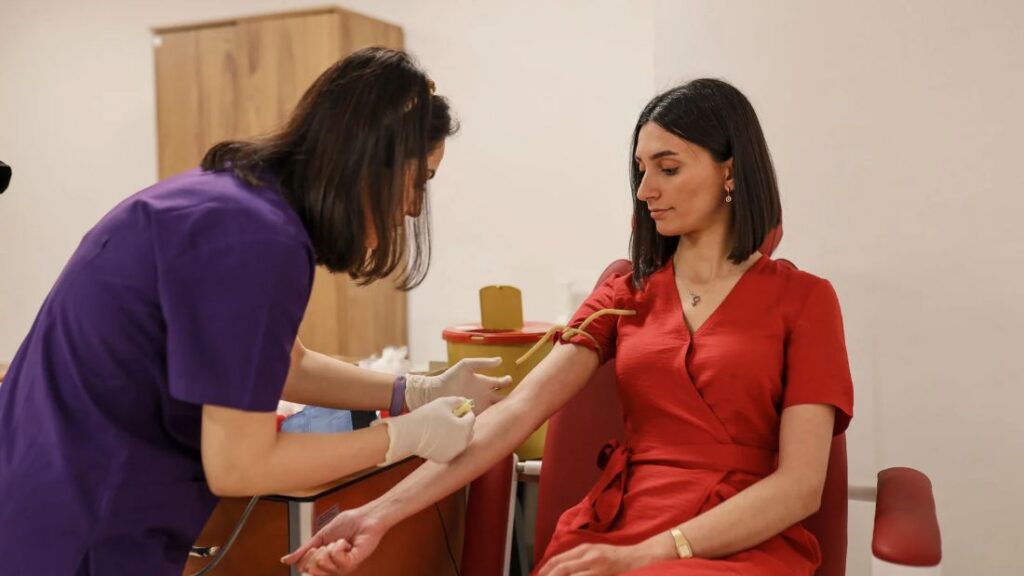
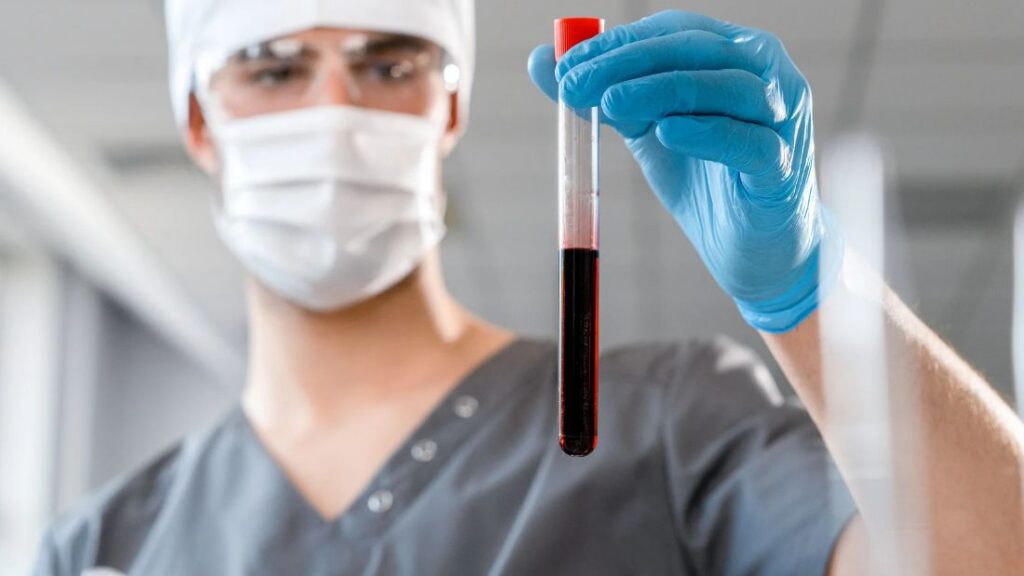
Reasons Drug Testing May Be Used
Drug testing can serve different purposes depending on the setting, the substance being assessed, and the reason for testing. Potential uses include:
- Treatment assessment:Organizing appointments, referrals, and communication among appropriate service providers.
- Recovery monitoring: Supporting a treatment plan that includes ongoing monitoring, when clinically appropriate.
- Clinical decision-making: Helping qualified professionals determine whether further assessment or follow-up may be needed.
- Medication safety: Providing information that may be considered alongside a person's medication history and clinical presentation.
- Program requirements: Meeting testing requirements established by certain treatment, workplace, legal, or other programs.
Testing procedures and requirements vary. The reason for testing should determine the appropriate method, and results should be interpreted in context rather than viewed in isolation.

Drug Testing in San Diego
Individuals in San Diego may seek drug testing for personal, clinical, employment-related, or program-specific reasons. The appropriate option depends on the purpose of the test, the substances involved, the required documentation, and whether professional interpretation is needed.
Lotus Recovery offers structured substance use treatment options in San Diego, including a Partial Hospitalization Program (PHP) and an Intensive Outpatient Program (IOP). Individuals interested in drug testing as part of treatment should contact the admissions team to ask whether testing is available within the program or whether a referral to an outside testing provider is necessary.
Drug testing is different from a comprehensive substance use assessment. A test may provide information about exposure to particular substances, but determining an individual’s treatment needs generally requires consideration of additional factors, including health history, symptoms, and personal circumstances.
Our Core Drug Testing Considerations
When drug testing is appropriate and available, several factors can help ensure that the process is handled responsibly.
- Purpose of testing: Establishing why the test is needed and what information it is intended to provide.
- Appropriate test selection: Choosing a test based on the substance being assessed, the sample type, and the intended use.
- Result interpretation: Recognizing that detection windows and test limitations vary by substance and testing method.
- Confirmatory testing:Considering additional laboratory testing when an initial result is unexpected, disputed, or requires greater certainty.
- Privacy and confidentiality: Understanding how test information will be collected, stored, shared, and used.
Take the Next Step Toward Recovery Support
Understanding the purpose and limitations of drug testing can help you choose an appropriate service. Contact Lotus Recovery to learn about substance use treatment options in San Diego and ask whether drug testing is available as part of your care or through an outside provider.